The Future of SEO Services

Social media and online search engine have ended up being more linked than ever previously. In 2026, social signals, often referred to as likes, shares, remarks, reposts, conserves, and brand name discusses, play a significant function in shaping online visibility. While social signals do not operate as direct ranking elements in a purely algorithmic sense, they greatly influence how search engines examine content importance, authority, and dependability.
The sections that follow break down the mechanics of social signals, their effect on SEO, and actionable ways to leverage them for long-lasting presence. This thorough guide explores how SEO social signals, user behavior, and AI-driven search experiences intersect, and why brands must focus if they desire more powerful rankings.
These can consist of: Likes and responses Shares and reposts Remarks Conserves and bookmarks Fan counts Brand points out Click-throughs from social platforms Viral trends and hashtag involvement By 2026, social signals for SEO have developed far beyond standard engagement. They now capture audience intent, material usefulness, and brand name impact, crucial elements that not just assist content rank better however likewise improve brand name image.
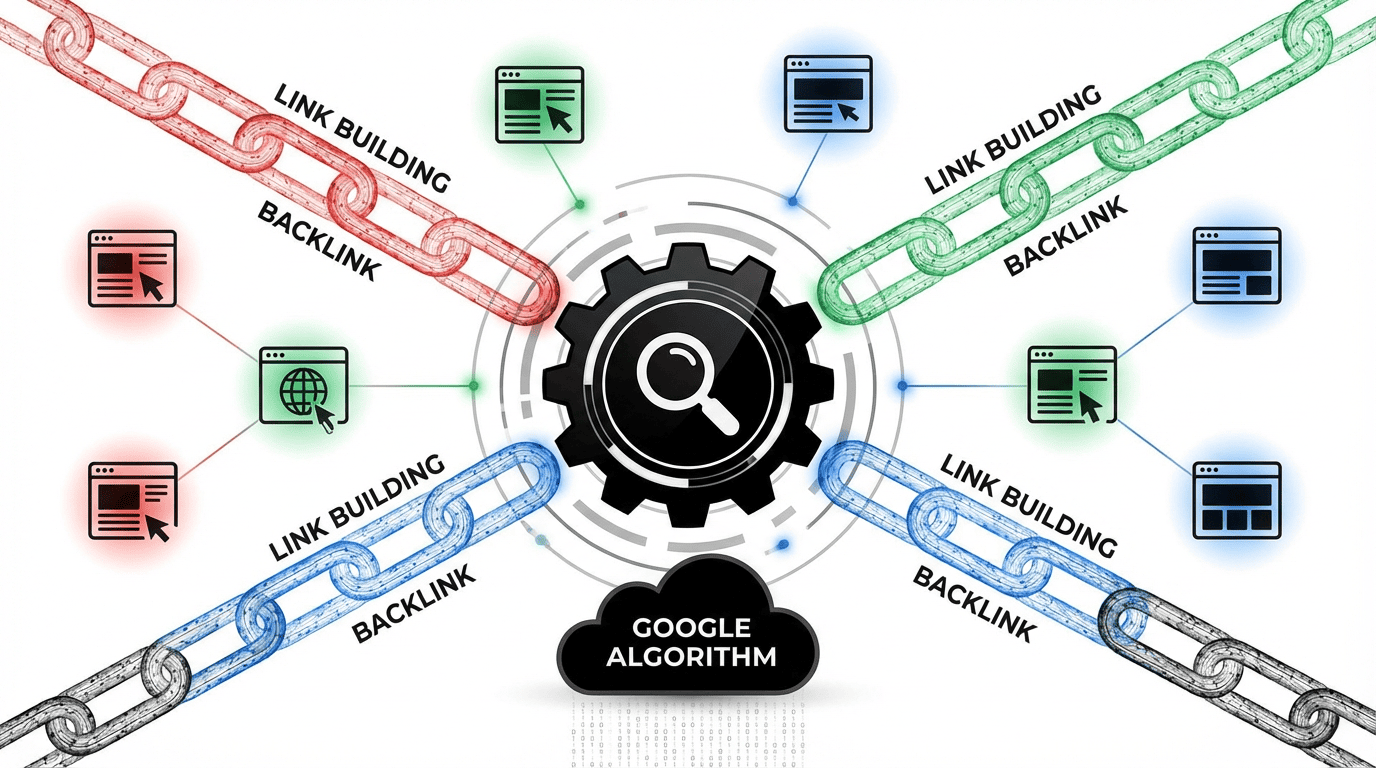
modern link building workflowSocial media improves content circulation, increasing brand visibility and organic reach. Google's AI-powered search results now reward content that demonstrates know-how, neighborhood interaction, and real-world relevance.
Merging Engagement Signals into Modern SEO Strategy
The more users save, share, and connect with the material, the more powerful the indirect SEO benefits. Social platforms reward accounts that stimulate significant conversation, eventually increasing presence and click-throughs to the website.
Create groups, host live sessions, or run challenges that bring people together. Community-driven brands enjoy stronger commitment, more frequent sharing, and higher top quality search volume, all of which assistance SEO. Treat the social profiles like search-optimized landing pages. Usage clear branding, tactical keywords, and consistent messaging throughout all platforms. Add links to your website, blog, or landing pages, and make sure your bio clearly communicates your worth proposition, especially if you are strengthening a strong B2B branding strategy.

When supported by tactical Off-Page and the right Off-page SEO tools, the social content can draw in high-quality backlinks, magnify online exposure, and enhance overall domain authority. Partnering with influencers drastically magnifies reach, trust, and credibility. Influencer-driven material typically leads to increased brand searches, higher engagement rates, and important recommendation traffic, all of which contribute indirectly to better SEO performance.
Viral Proof vs Manual SEO Strategies
Planning makes sure thematic consistency, aligns messaging with keyword trends, and develops predictable engagement patterns. Consistency is essential to staying top-of-mind on social platforms. Monitor performance metrics such as clicks, engagement rates, shares, brand name mentions, referral traffic, and conversions. Analyzing what resonates most helps fine-tune the ongoing strategy, ensuring your social media content continually supports SEO objectives.
A unified approach guarantees that every piece of material, whether published on your website or socials, works together to enhance rankings and total digital performance. Change high-performing article into carousels, videos, or quote graphics. Repurposing boosts reach, strengthens crucial topics you wish to rank for, and helps develop topical authority.
UGC develops social proof, improves brand trust, and often leads to more branded searches, an important SEO signal. On YouTube and Pinterest, keyword optimization works likewise to conventional SEO, assisting the content rank within those search communities.
AI-powered search now: Understands trends faster Assesses belief from social discussions Detects whether content is being shared for favorable or unfavorable factors Gains from influencer-driven engagement patterns Surface areas content based upon more comprehensive contextual relationships This implies that social signals no longer simply show popularity; they form AI-based content summaries, included outcomes, and conversational search outputs.
This effect is a lot more pronounced in AI in B2B marketing, where decision-makers count on authoritative, high-trust info sources. When the brand's insights, case research studies, and thought-leadership pieces get traction on LinkedIn, X, or niche market neighborhoods, AI systems analyze these signals as signs of know-how and authority, improving the presence in complex B2B search journeys.
Viral Proof vs Manual SEO Strategies
AI designs take a look at: User belief from remarks Patterns of sharing and engagement The authority of people interacting with the material Virality potential Niche-based neighborhoods and conversations Online search engine incorporate AIO methods to evaluate more comprehensive content environments, not simply keywords and backlinks. Social signals become part of the "experience layer" that AI evaluates to figure out whether material is useful, reliable, and worthy of ranking.